

The Hidden Reason People Delay Treatment in Illinois
Most people don’t avoid rehab because they don’t want help; they avoid it because they don’t know where to start. They recognize that something is wrong and feel overwhelmed by daily life, but the process of searching for treatment feels so confusing that they eventually give up.
Facilities, treatment levels, packages, and costs appear puzzling. This gets extremely frustrating.
Many people in Illinois struggle with this exact issue. When things get difficult, having the right support and the proper tools makes all the difference.
The Moment People Realize They Need Help
Let’s talk about Alex who resides in Illinois and is a full-time employee. She pays bills and looks stable on the outside. But the use of drugs turned out to be her way of coping with stress.
In the beginning, medications appeared useful in emotional relief. As time passed, they caused more problems and distress.
She had so many questions in her head.
- Do I really need an in-patient treatment?
- Do I have the money for this?
- Will I be able to continue my work?
- Where should I start from?
Alex, like most people, went to Google to find answers. She got overwhelmed with too much information. This experience made her more anxious rather than relieved.
Most people give up at this point. They do not give up hope altogether, but the system of treatment seems to be too complicated for them to understand, let alone beginning treatment.
Why Illinois Drug Rehab Resources Confuse People
The state of Illinois has an extensive network of treatment. There are several alternatives that are flexible but confusing. When there is no guidance, making a decision is very hard.
They have:
- Outpatient programs
- Residential rehabs
- Intensive outpatient programs
- State-funded services
- Detox centers
- Private treatment programs
It takes professional advice to know which alternative is suitable for individual needs.
The First Actual Step
After some time, Alex took an incredible step and called a treatment helpline. She did not set up admission immediately. She just desired credible information.
The individual on the other end of the call was attentive to her issues. This made Alex feel loved and appreciated.
That one call transformed everything. The individual on call didn’t force her for any treatment.
Simple questions were asked,
- What’s going on in your life?
- Do you feel safe?
- What does your average day look like?
This help actually connects people to,
- Locally available treatment choices
- Right levels of care needed
- Programs that align with an individual’s budget/insurance.
This eliminates the risk of making the wrong choice.
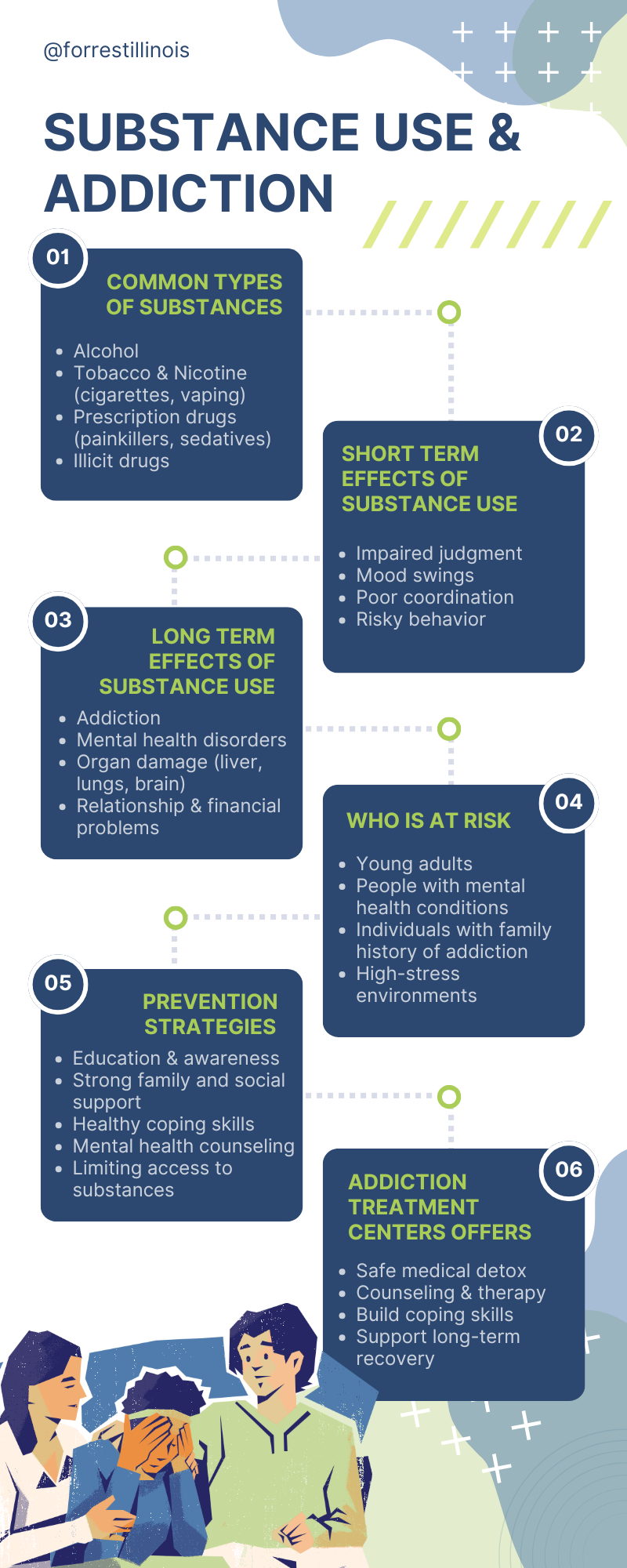
Learning the Levels of Care
Through this call, Alex learned that inpatient rehab is not for everyone. There are several points of entry to treatment in Illinois. The aim is to fit care as per your situation and not to impose a shape.
Outpatient Treatment
This enables people to be at home and get help.
It includes:
- Individual therapy
- Group therapy
- Recovery planning
This is great for people who,
- Have a job
- Have to look after their family
- Need integration and not isolation
- Are young in their recovery process
Intensive Outpatient Programs (IOP)
The IOP offers enhanced support compared to the normal outpatient care. Participants are treated various times every week. Sessions tend to be more intensive and last longer.
IOP was the right fit for Alex. She gets structured support with the right amount of accountability and flexibility.
Inpatient or Residential Rehab
This offers 24/7 treatment in a systematic setup.
It’s suggested when,
- There is high drug use
- Detox is required
- Domestic setting is not safe
Illinois has numerous licensed inpatient programs. Not all recovery journeys, however, need residential care.
The Questions on Cost that Freeze People Dead
Alex’s main question was: “How much will this cost?” Like so many others, Alex worried that rehab was out of reach financially. Fortunately, Illinois offers several resources that make treatment much more affordable than expected.
They offer:
- Medicaid accepting programs
- State-funded options
- Outpatient care, which is cheaper than residential rehab
- Sliding scale payment models
A helpline/assessment would help bring out what’s financially feasible. Knowing that she had so many options, this removed the biggest hurdle from Alex’s mind.
Once You Have a Starting Point, What Do You Do?
Treatment choice does not make the treatment permanent. The process of recovery is dynamic, and treatment plans change with time.
Alex started treatment using outpatient care. Some days were easy, while others were a struggle, but the treatment gave her the structure she needed. For the first time, she had a clear path and a sense of direction for her future.
When People Require More Than Treatment
The recovery process does not stop when the therapy is over. Illinois provides community-based support services to provide long-term stability. These services assist people to keep in touch in the long run.
These include,
- Support groups
- Peer recovery coaching
- Education for families
- Ongoing relapse prevention
These are important because recovery takes place in real life, not just hospital rooms.
The Illinois Department of Human Services provides an opportunity to learn more about statewide mental health and recovery services. It’s the place where people get stability following the formal treatment.
What If You’re Still Not Sure?
It is not at all unusual to feel confused about the treatment. A lot of people are frightened and scared at the beginning. Recovery does not often start on a high note.
The initial step can be simple measures like:
- Calling for help.
- Getting an appointment.
- Asking questions.
Minor steps help in making the recovery process manageable.
Why Illinois Drug Rehab Resources Exist?
The rehab services in Illinois assist people in overcoming treatment confusion. Such services are support-oriented rather than judgmental. In most cases, individuals start recovery by first seeking information.
Similar to Alex, a single conversation can bring some clarity. Questioning assists people to know what they can do. The initial move can usually make recovery possible.