

The Mental Health Support Most People Don’t Know Exists
Life in Illinois – from the high-speed traffic on Lake Shore Drive to the long hours in the office – can be overwhelming. When daily stress turns into persistent anxiety, a standard one-hour therapy session once a week might not be enough to help you find your footing.
This is not as rare as it may seem. Mental health data show that Illinois has an annual population of around 1.8 million adults with untreated mental issues. It does not mean that the therapy is ineffective. It usually means that the support is simply just not enough.
This is where intensive outpatient programs, or IOPs, are involved.
The Issue with Once-a-Week Therapy
Therapy can be done once a week, particularly in mild stress, anxiety, or changes in life. However, when a person is struggling with more severe depression, trauma, or addiction, one meeting a week can never lead to complete recovery.
Think about it this way. A lot can happen in seven days. One may walk out of therapy satisfied, but two days later, he or she develops the symptoms again. They are left to struggle until the next appointment.
It has been found that people who go to therapy more than once a week recover quicker and experience fewer relapses. This does not mean that weekly therapy is not good. It simply proves that there are individuals who need even more help.
Intensive Outpatient Programs: What They Really Are
People who need more than weekly therapy but do not require hospital treatment are offered programs such as Forrest Behavioral Health in Hoffman Estates.
IOP patients typically participate in therapy 3-5 days per week, approximately 9-15 hours/ week. This includes:
- One-on-one therapy
- Group therapy
- Learning coping skills
- Planning of relapse prevention
The individual continues to live with his or her family and can work or study frequently. They receive increased support.
Mental illnesses interfere with sleep, motivation, and daily habits. However, this framework helps people in setting a routine. It is also due to having regular sessions, which provide people with stability and make them remain active in their recovery.
A Case Study Result Shows Why This Work
This method is backed by actual studies.
Researchers in an intensive outpatient program followed over 1,100 individuals with depression and suicide risk in one large clinical study. A great number of them had already attempted weekly therapy and were not making progress.
Throughout the program, researchers were monitoring their progress.
They found that:
- The symptoms of depression were reduced.
- Thoughts of suicide reduced.
- Emotional stability got better with time.
The key factor was frequency. Individuals were not waiting one complete week between the sessions. They were receiving regular help and applying coping strategies immediately. In the long run, this frequent therapy made them regain confidence in coping with their emotions and their day-to-day roles.
Why This Is Important To Illinois Residents
Over the past years, mental health needs have been on the rise in Illinois. This has happened since 2020 as anxiety and depression have grown by over 25 percent in adults.
Meanwhile, there has been no equal access to mental health providers.
Others wait weeks before they get an appointment, or they are just not aware that there are various levels of care.
Intensive outpatient programs can fill that gap.
They offer systematic help without the need for hospitalization.
Individuals who are living around major cities such as Chicago or suburbs such as Hoffman Estates and Schaumburg may need this type of care in their location, and therefore, treatment is viable and accessible.
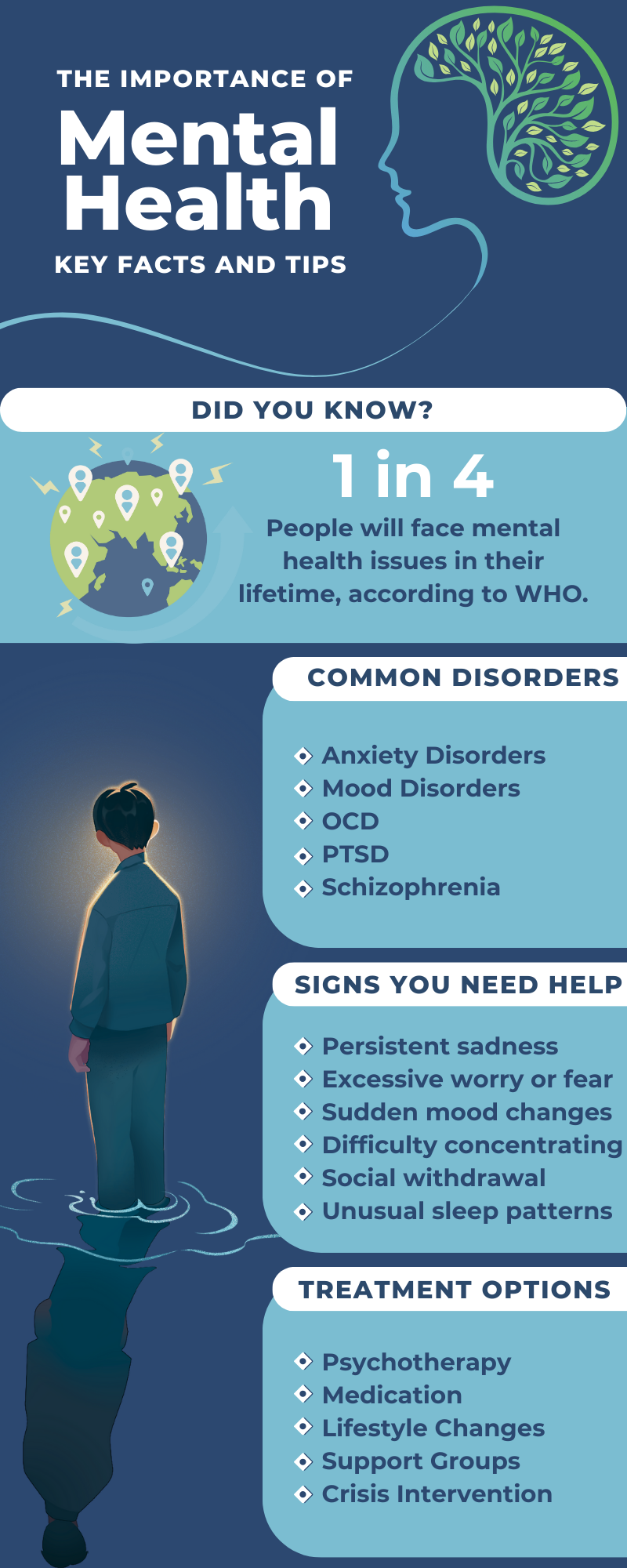
The Benefits of Extra-Support in Recovery
Recovery does not simply involve therapy sessions: extra support is very helpful. People who have their friends or family by their side during treatment sessions are 25 percent more likely to remain on track. Support in the following formats also go a long way:
- Group therapy makes individuals acquire new skills and feel less isolated.
- Healthy habits such as sleep, exercise, and mindfulness help improve mental health.
- Application of skills in real-life situations makes therapy longer lasting.
Group Therapy: Why Is It So Important
Most of the people don’t even know much about group therapy. It may be awkward to discuss things with an audience. However, group therapy can also be one of the most useful components of the program.
People understand that they are not the only ones doing bad. They also get to learn from what others have done, and they learn from their experiences.
This reduces the loneliness that a person may feel. Loneliness is the major contributor to bad mental health.
Practical skills, such as dealing with stress, better communication, and avoiding relapse, are also addressed in these programs. These skills can help them live normal daily lives.
Applying Skills in Real Life
Learning to practice skills beyond therapy is also another important part of recovery.
Intensive outpatient programs ask the participants to apply what they learn to real life – at home, work, or school. This helps people in knowing what causes stress or negative feelings and helps in applying coping strategies instantly.
Routinely practicing these skills develops confidence, minimizes failures, and progress becomes more sustainable. With time, the participants become more empowered in their mental health and everyday activities.
The Right Level of Support
The greatest thing to know is that recovery is based on the correct level of care.
Studies indicate that 75% of individuals respond better to correct mental health care.
Some individuals are okay to be treated once a week. While others need IOP to stabilize and improve. Making a decision to have a higher level of care is not a failure. It is usually the step that will make people see actual and permanent improvement.
The recovery of mental health does not have to do with weakness or strength. It has to do with the right support system. Intensive outpatient programs play a significant role in that process for many people in Illinois.
Read Next: Chicago Outpatient Addiction Program for First-Time Rehab Patients