

Escalating Intensity In Anxiety, Depression, Or Mood Swings
When symptoms keep getting louder, waiting it out may not help. Anxiety may turn sharp. Depression may turn heavy. Mood swings may hit faster and harder.
If your emotional pain is climbing despite treatment, that is often one of the top signs you need more than outpatient therapy and a signal to step up care.
3. Reliance On Unhealthy Coping
People do not usually reach for harmful coping for no reason. Most are trying to quiet their distress the only way they know how. The trouble is that short-term relief often creates bigger problems later.
That is especially true when substance use or impulsive choices become a regular response to emotional pain. At that point, weekly therapy may not offer enough support between hard moments.
Substance Use To Numb Distress
Using alcohol, pills, or other substances to take the edge off can interfere with insight and emotional regulation. It can also blur what symptoms are coming from the condition itself.
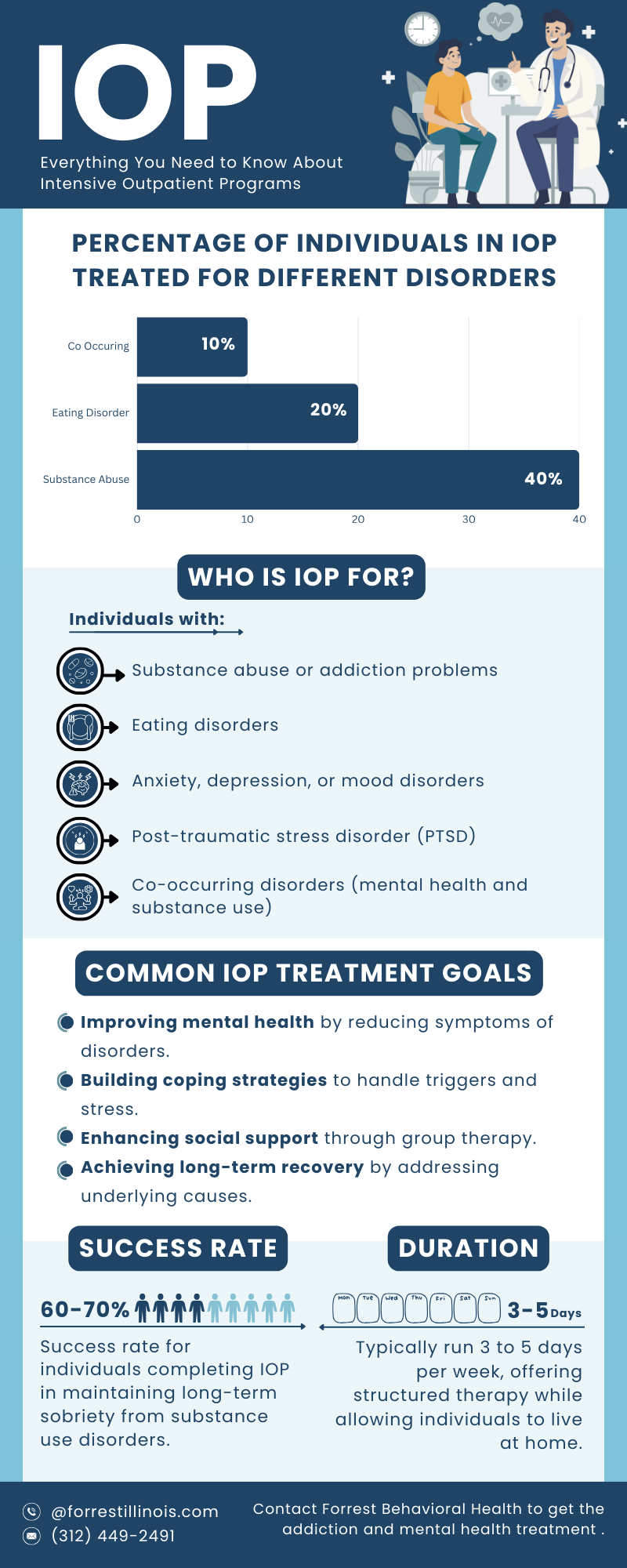
When substance use becomes part of the pattern, an Intensive Outpatient Program may offer the extra structure needed to address both issues together.
Risky Behaviors That Signal Deeper Distress
Reckless driving, overspending, unsafe relationships, and sudden impulsive decisions can all point to rising instability. These behaviors are often the smoke, not the fire.
The deeper issue is untreated distress that needs stronger support, better monitoring, and more direct work on coping tools and decision-making.
4. Environment And Professional Advice
Healing does not happen in a vacuum. Sometimes a person is doing meaningful work in therapy, yet the environment around them keeps undoing that progress. That can make recovery feel like trying to build on shaky ground.
Professional guidance matters too. Therapists and clinicians often notice patterns that feel normal to the person living inside them. When they recommend more support, it is usually for a good reason.
Unsafe Home Life Can Block Recovery
A chaotic or critical home can keep the nervous system on high alert. If you return from therapy to conflict, fear, or constant stress, your unsafe home life may be working against your progress.
In those cases, a personalized care plan with a more consistent structure can make treatment more effective.
Professional Recommendation For A Higher Level Of Care
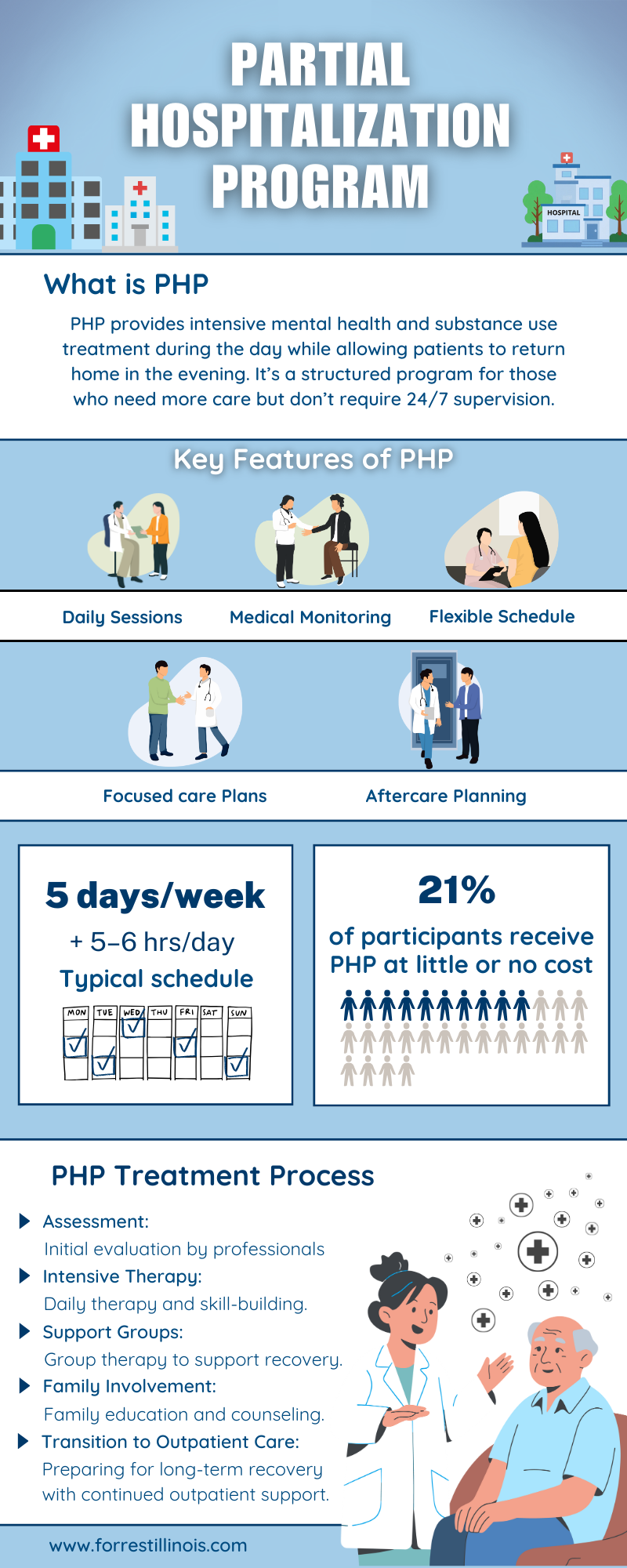
Sometimes a client resists the idea of stepping up care because it feels scary at first. Then they start a Partial Hospitalization Program or Intensive Outpatient Program and finally feel supported enough to breathe.
When a provider recommends a higher setting, that advice often reflects genuine concern and a real path forward.
Kevin’s Real IOP Journey: Anxiety, Alcohol, And A Return To Work
Kevin battled anxiety and alcohol use while holding a demanding sales job. He stuck with outpatient therapy for months. Progress felt real in sessions. Evenings were different. He drank heavily to unwind, often blacking out twice weekly. His therapist noted escalating tolerance and work slips – missing calls and quotas by 30%.
Following ASAM criteria Level 2.1 for moderate risk in dimensions 3 (emotional/behavioral) and 5 (relapse potential), Kevin entered the Intensive Outpatient Program evenings, 3-5 days a week. Group therapy tackled triggers.
Coping tools like CBT got practiced live during cravings.
After 8 weeks, sobriety hit 6 months. Work stabilized fully. Kevin shared: “IOP gave me evenings back without the haze.” He now thrives with outpatient follow-up and relapse prevention strategies. Structured care bridged the gap perfectly.
Next Steps When Outpatient Therapy Isn’t Enough
Once the signs become clear, the next move should feel practical and manageable. You do not need to solve everything in one afternoon. You just need a clear first step and the right support beside you.
This is where many people find relief. A simple plan can turn fear into motion and help you move from uncertainty toward treatment that actually fits your needs.
Try these next steps:
- Contact your therapist or treatment provider and describe what has been getting worse.
- Ask whether outpatient therapy is still the right fit for your current symptoms.
- Request insurance verification early so there are fewer delays.
- Schedule an intake assessment and ask about transition to PHP or IOP options.
- Work with the team to build a personalized care plan that matches your daily struggles.
 Wondering Does insurance covers PHP and IOP in Illinois? Call Forrest Behavioral Health now – free verification takes 5 minutes.
Benefits Of Stepping Up To PHP Or IOP
Higher-level care is not about taking control away from you. It is about giving you a stronger footing while life feels unsteady. For many people, that added structure makes the difference between barely coping and actually healing.
This support can also reduce the stop-and-start pattern that happens in weekly treatment. With more contact, more practice, and better follow-through, progress often becomes steadier and more visible.
Skill-Building And Emotional Regulation In Daily Practice
In a stronger setting, you do not have to wait a whole week to revisit what went wrong. You can learn, practice, and adjust in real time.
That kind of daily therapy helps coping tools stick because you use them while the struggle is still happening.
Family Integration That Strengthens Recovery
Recovery tends to go better when loved ones understand what is happening. Family sessions can improve communication, reduce confusion, and build healthier support at home.
That kind of involvement often strengthens relapse prevention and helps the person feel less alone.
Consistent Monitoring And Lasting Progress
Frequent check-ins make it easier to catch setbacks early. They also help the care team adjust the plan before a rough week becomes a crisis.
That steady rhythm supports long-term recovery and gives people a more realistic chance to regain balance.
Program Need | How It Helps |
Frequent emotional crashes | More structure and faster support |
Struggles between sessions | Better follow-through with daily therapy |
Repeated setbacks | Stronger focus on relapse prevention |
Home stress and instability | More support around an unsafe home life |
Mixed symptoms and substance concerns | Integrated care for mental health and substance use |
Conclusion
Spotting the top signs you need more than outpatient therapy takes courage. Safety slips. Daily life unravels. Symptoms grow louder despite your best efforts.
You wonder – is weekly care still enough?
These signals do not mean you failed. They mean your needs changed. A Partial Hospitalization Program or Intensive Outpatient Program often brings the structure that makes progress stick. Like Kevin’s story shows, real support bridges those gaps.
Ready for clarity?
Call Forrest Behavioral Health today at (781) 570-5781. We guide you through insurance verification.
Together, we build a personalized care plan. Why wait for another crash? Stronger care restores balance. You deserve steady ground.