

What Happens If You Leave Treatment Early? Risks and Options in Illinois
Did you know that according to the National Institute on Drug Abuse, patients who remain in treatment for at least 90 days show significantly higher success rates, yet dropout rates before this critical biological threshold reach nearly 50%?
The problem is that in the fast-paced professional culture of Illinois, individuals are expected to maintain high efficiency without pause. We are expected to give rapid results and have immediate solutions ready for every challenge. But this mindset severely undermines our patience during clinical recovery.
At Forrest Illinois, we understand the need to be productive. But we also understand how crucial it is to slow down and not rush recovery. Therefore, our intensive outpatient programs are designed to provide structure without the pressure of isolation so that you can heal in real life.
In today’s article, let’s discuss how impatience can sabotage recovery and how a rushed mindset causes individuals to leave treatment for the wrong reasons.
The Illusion of the “Cure” Vs. The Reality of Recovery
The problem is that when you are accustomed to solving professional problems quickly, the slow, deliberate pace associated with psychological healing can feel frustrating. With everything operating on the clock, everything needs to be done fast. But this impatience often leads individuals to misinterpret the early positive signs of emotional stabilization as a complete cure.
The “Pink Cloud” Phenomenon
Simply put, the ‘pink cloud’ phenomenon refers to emotional euphoria caused by the absence of distress during treatment. See, when you are finally resting and your acute crisis is being managed, you suddenly feel invincible. It feels like you are cured with no need for the continuation of treatment.
The problem is that individuals mistake the immediate relief of a safe environment for the permanent resolution of their disease, prompting them to pack their bags and return to their high-stress lives far too soon.
Treating the Symptom vs. the Root
The pink cloud perfectly masks the underlying reality of behavioral health. If you leave treatment after only a few weeks, you have only successfully treated the surface symptom. You might have stopped the immediate panic attacks or put the alcohol down, but the complex trauma, chronic perfectionism, or clinical depression driving those behaviors remains completely untouched.
Achieving brief physical stabilization is not the same thing as achieving profound psychological change. Leaving early guarantees that your deeply ingrained cognitive distortions are still actively running in the background. The moment a significant stressor arises in the real world, those unhealed roots will immediately generate the exact same destructive symptoms you thought you had cured.
The Danger of Overconfidence
High-achievers are particularly vulnerable to premature discharge. Executives and business owners are entirely used to mastering new skills rapidly and outsmarting the competition. They frequently overestimate their ability to handle real-world stress, assuming their intellect alone can overpower a biological disease.
They believe that reading a few clinical workbooks and attending a handful of group sessions provides them with enough leverage to manage a highly dysregulated nervous system. This overconfidence ignores the physical reality that the brain requires extensive time to actually rebuild neural pathways.
The Biological Reality of Relapse
Quitting a program before your clinical team recommends discharge is not just a scheduling mistake. It is a biological gamble that severely damages your central nervous system and your personal relationships.
The Revolving Door of Treatment
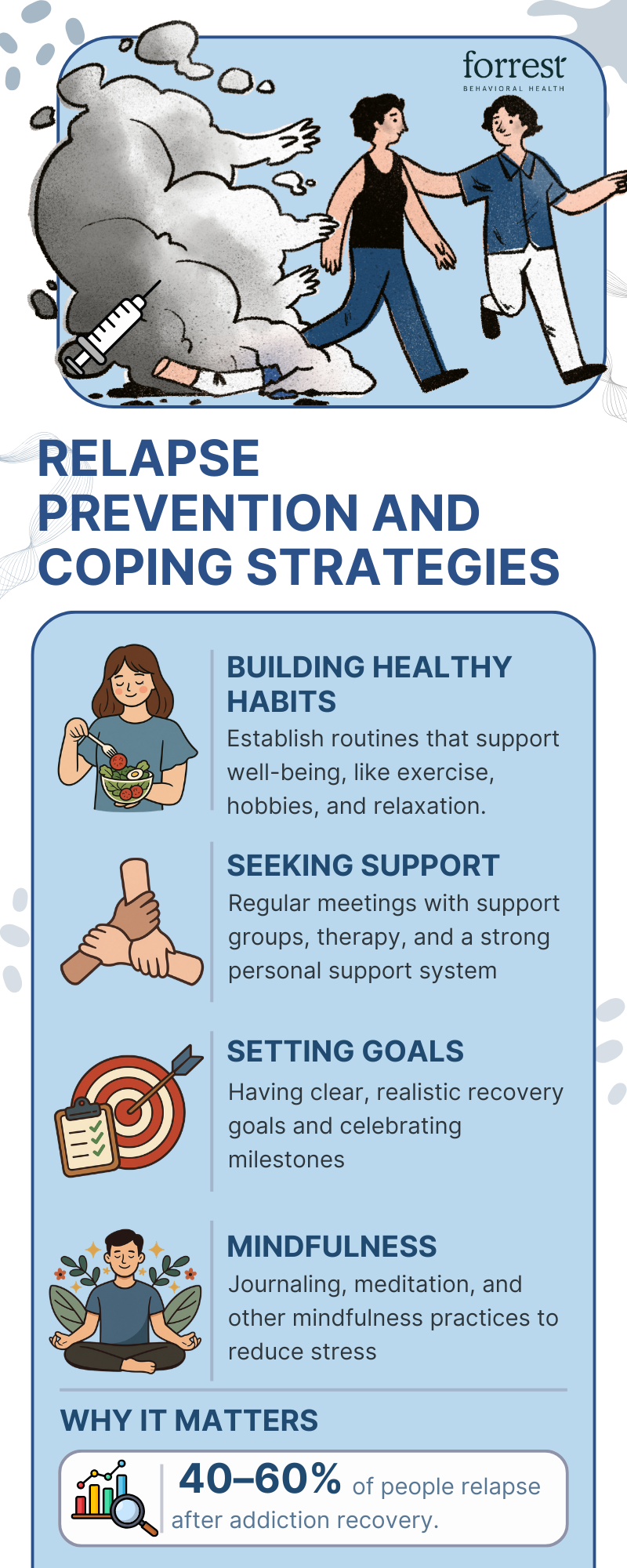
Leaving early drastically increases the likelihood of a severe, immediate relapse. You return to your high-stress corporate environment in Illinois without a fully developed or tested clinical toolkit. You do not have the distress tolerance skills required to survive a hostile boardroom meeting or a difficult family conflict.
This sets off the tragic revolving door of treatment. The individual crashes entirely, requires another emergency admission to stabilize, feels better after two weeks, leaves early again, and crashes even harder. This cycle completely exhausts the patient and prevents any actual forward momentum in their recovery journey.
The “Kindling” Effect
We must warn our clients about a severe neurological consequence known as the kindling effect. Each subsequent relapse becomes biologically more severe and significantly harder on the brain. When you subject your nervous system to the whiplash of repeated crisis and incomplete stabilization, the brain becomes hyper-sensitized.
Because of this neurological kindling, a minor stressor that you could have easily brushed off a month ago will suddenly trigger a catastrophic panic response or a massive substance binge. Your baseline anxiety worsens with every premature exit, making the eventual recovery process much longer, much more painful, and highly complicated to treat.
The Impact on Family Trust
Walking out of treatment prematurely also devastates the exact support system you need to survive. Spouses, children, and partners endure immense trauma during your initial crisis. When you enter a clinical sanctuary, they finally feel a glimmer of hope.
When you abruptly walk out before the clinical work is done, you shatter that fragile hope completely. It sends a clear signal to your family that you are not taking the situation seriously. This breach of trust causes spouses to pull away entirely to protect themselves from the inevitable fallout, leaving you completely isolated exactly when you need connection the most.
The Safe Step-Down Process
True recovery is a journey of gradually increasing independence. It requires following a sophisticated, medically structured roadmap rather than arbitrarily deciding you are finished.
Trusting the Clinical Timeline
Your length of stay must be dictated entirely by nervous system regulation, not calendar dates or corporate deadlines. The human brain requires significant, uninterrupted time to recalibrate its dopamine receptors and lower baseline cortisol levels naturally.
You must learn to trust your clinical and psychiatric team. They evaluate objective medical data and behavioral milestones to determine when your biology is actually stable enough to handle the pressures of Greater Chicago.
The Continuum of Care
A successful recovery requires a clinically supervised step-down process. You do not jump from intense treatment back to total independence overnight. You move deliberately from the immersive daily structure of a Partial Hospitalization Program (PHP) to the flexible, real-world integration of an Intensive Outpatient Program (IOP).
This allows you to slowly test your new coping skills in your actual environment while still possessing a robust clinical safety net to catch you if you stumble.
Building a Sustainable Aftercare Plan
Leaving treatment properly means leaving with an unshakeable strategy. A premier facility helps you build a sustainable aftercare plan long before your discharge date. This involves establishing active alumni networks for vital peer support. It also includes securing ongoing psychiatric medication management to ensure your brain chemistry remains perfectly balanced as you navigate the complexities of your daily life.
Restart Your Journey Towards Health and Safety
If you have previously rushed your recovery and find yourself struggling again, you must completely remove the shame from the equation. Relapse is a symptom of a rushed timeline, not a personal failure.
At Forrest Illinois, our staff understands your dilemma, which is why we are able to help you re-establish your baseline safety, getting you immediately back on track with a highly customized treatment plan that aggressively addresses the root of the setback.
Visit forrestillinois.com or call (312) 449-2491 to secure the continuing care you truly need.