
Addiction Treatment for Healthcare Professionals
Anyone can turn to substance use in their weak moments, and if there is no timely treatment, that occasional use can soon become full-blown addiction. That said, when someone in the healthcare profession develops a drug addiction, it becomes a more complicated matter.
Suddenly, the same person trained to save lives is seen as too weak to overcome a bad habit. That double standard makes it harder for a healthcare professional to ask for help because they want to protect their reputation and credibility.
However, addiction treatment experts agree that your profession or life circumstances don’t decide how bad your substance dependence can get. If you acknowledge that this addiction needs to be dealt with and are determined to do so, nothing else matters.
But since we live in a society where stigma around addiction treatment for healthcare professionals is strong, we cannot negate their fears. That’s why this article explains the reasons healthcare professionals’ addiction treatment could be more challenging. Keep reading for a full picture and start treatment with more confidence.
Reasons Why Addiction Treatment for Healthcare Professionals Can Be More Challenging
The team of Forrest Behavioral Health believes that drug addiction is not a moral failure; it can come from a combination of personal and social triggers that might not be in one’s control. Whether you’re a highly qualified doctor or a registered nurse, take substance dependence as something fixable.
On that note, here are some factors that make addiction treatment for healthcare professionals likely more complicated:
Licensing Concerns
Healthcare professionals have more than their reputation at stake if their addiction problems become common knowledge. For instance, doctors, nurses, and pharmacists are required to report substance use to their state licensing board in most cases. When they do so, a single admission can trigger an investigation and risk their licence.
Therefore, most professionals don’t want to disclose their need for treatment, even if they desperately want it. Moreover, many healthcare workers delay treatment to ensure their practising licence is safe, which can ultimately cause more problems. Put simply, if a doctor doesn’t try to overcome their heroin or Tianeptine addiction and treat a patient under the influence, that’s a much bigger problem than simply coming out clean.
Easier Access to Controlled Substances
Your environment plays a big role in your addiction severity and patterns. For instance, if purchasing drugs or arranging money for them is a huge hassle, your consumption will likely stay controlled. But if you can access these addictive substances relatively easily, you’ll become a regular user and, that too, of higher doses.
Since people in the health sector handle opioids, benzodiazepines, and other addictive drugs, it can trigger their consumption habits. These people can self-prescribe and further exacerbate their addiction. Moreover, pharmacists, doctors, and nurses also know dosing, so they can consume unsafe drugs if this habit develops once.
Addiction treatment for healthcare professionals is impacted by this aspect because a common user will have to work harder to access the required substance. But on the other hand, doing so is often easier for someone with medical knowledge.
Medical Knowledge Might Fuel Denial
This next reason why healthcare professionals’ addiction treatment requires extra work has to do with their knowledge. A big part of overcoming an addiction is done when the user is educated and guided about how dangerous this thing is.
During withdrawal and active recovery, the experts educate one on how increasing their doses and usage frequency can be life-threatening. But when one is already in the healthcare sector, they might overestimate their willpower. It’s not uncommon for them to argue that they stay just under the safe limits and are aware of how going over them will work.
However, all of this sounds okay only for the sake of argument. When substance dependence is a strong habit, and there are triggers all around, even an experienced doctor or pharmacist can overdose and risk their life.
Standard Treatment Programs Aren’t Practical
Healthcare professionals have tiring schedules with little room to dedicate to their well-being. If a person is already fighting addiction and is asked to follow a strict treatment schedule, they wouldn’t be able to manage.
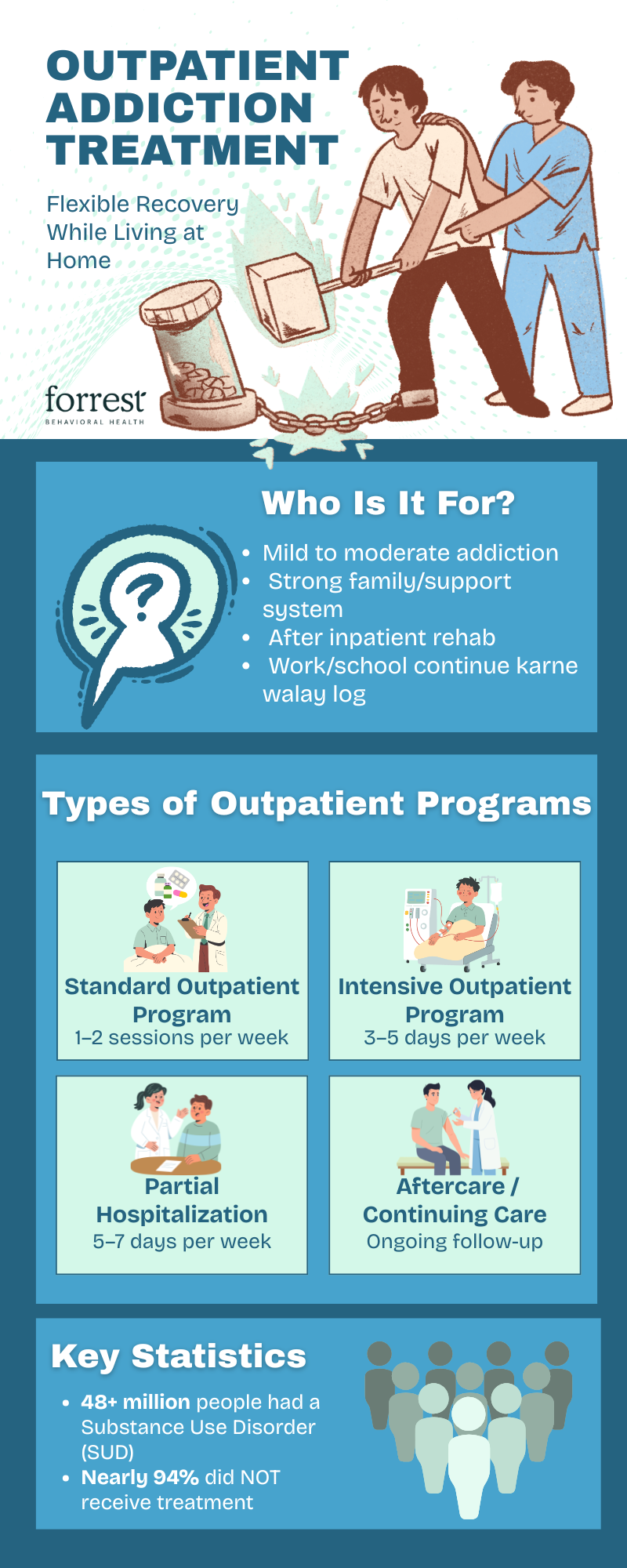
For example, a typical 30-day hospital stay or a partial hospitalization program might not work for a busy professional, as these jobs need full dedication. Therefore, more flexible treatment models, such as an outpatient rehab program, exist.
These models let healthcare workers keep their job and show up for treatment to get rid of this evil before it damages their physical and mental health.
Outside of clinical sessions, medical professionals also need practical, low-stress daily tools to transition out of intense work environments without relying on substances to unwind. Engaging in hands-on, high-focus physical tasks serves as an excellent active mindfulness practice to clear mental fatigue after a long shift.
Unpacking the science behind why deep cleaning projects provide such powerful psychological relief – as explored in The Ultimate Guide to Therapeutic Cleaning: Why Pressure Washing Is Great for Mind and Body – shows how simple home projects can help reset a burnt-out nervous system.
Severe Stigma Inside Their Own Profession
A strong stigma around drug addiction exists in the healthcare sector because people here are trained to see addiction as a threat to patient safety. So much so that a nurse or physician who discloses their struggle with substance use will face suspicion from coworkers and supervisors even after they get fully treated.
Needless to say, this peer judgement adds a layer of shame and keeps many from seeking help. Especially when you’re making a name for yourself and are new in the field, this judgement can feel heavier. However, it’s worth noting that more workplaces are becoming accommodating towards such challenges and don’t shun for reasons related to drug addiction.
The More at Stake, The Harder the Battle
Addiction treatment for healthcare professionals requires more effort and privacy because of how crucial their jobs are. However, these illicit substances can make anyone addicted, and that doesn’t mean you’re weak. If you’re battling this habit, reach out to Forrest Behavioral Health at 312-449-2491 today, and let’s get you out of this dark phase.