
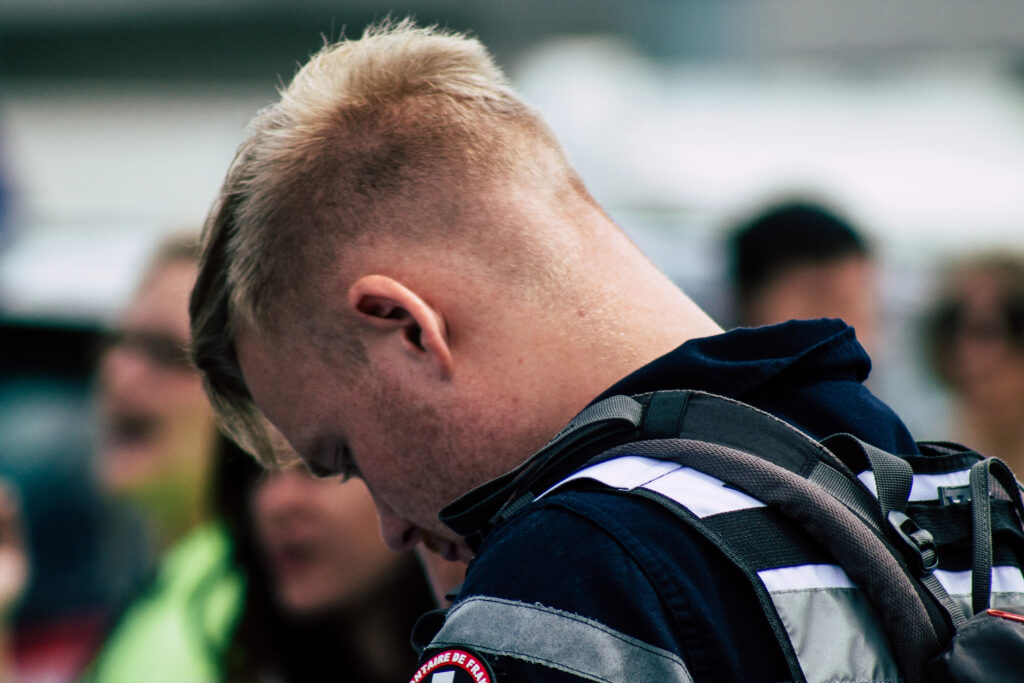
Addiction Treatment for First Responders: Finding Support Without Fear
Every day, first responders put their lives in danger to protect humanity. But behind the badges and uniforms, who helps them when they are silently fighting emotional battles? To cope with this stress, they often choose alcohol or drugs for temporary relief.
Firefighters, police officers, EMTs, and paramedics face life-threatening emergencies and traumatic accidents along with loss. The constant exposure to these challenging situations can affect their mental health. They experience chronic stress, anxiety, depression, post-traumatic stress disorder (PTSD), and substance use disorders.
According to research by PMC, approximately 32% of first responders experience anxiety symptoms while coping with high-pressure and traumatic situations. The stats highlight the anxiety percentage differently among emergency professions, with 38% of paramedics, 28% of EMS personnel, and 19% of police officers during their service.
Through specialized first responder addiction treatment, individuals can access evidence-based therapies, medical monitoring, and dual-diagnosis care.
In this blog, we will explore why first responders are at a higher risk of addiction and how it affects their careers, along with the first responder addiction treatment options available in mental health centres.
Why Do First Responders Develop a Higher Risk of Addiction?
First responders have constant exposure to traumatic events and high-pressure environments that affect their mental health. To cope with the stress, anxiety, or emotional pain, they choose alcohol for temporary relief.
1. Exposure to Trauma
First responders such as firefighters, police officers, and EMTs have regular exposure to traumatic events. These traumatic events are serious accidents, fire burns, and emergencies.
The consistent exposure to these situations creates chronic stress, depression, and PTSD as an outcome.
2. High-Stress Work Environment
The nature of their job is very hectic; they have to be available on duty 24/7. They have interrupted sleep patterns and overnight schedules with overtime requirements.
Staying in these hectic schedules for a longer time develops emotional exhaustion and burnout. If you do not seek first responder addiction treatment on time, it leads to long-term chronic stress.
3. Self-Medicating Mental Health Symptoms
Many first responders experience anxiety, depression, and insomnia during their 24/7 on-duty times. Instead of seeking help with these issues, they consume alcohol.
But over time, the urge to drink increases, and they begin using alcohol as a form of self-medication to cope with their mental health symptoms. The consistent consumption affects their health and job performance.
Common Signs of Substance Abuse in First Responders
Behavioral Changes
The first thing that appears when your mental health is not good is changes in your behavior. You start isolating yourself and are not willing to meet anyone. Out of nowhere, you experience anger and exhaustion in your behavior.
You feel so restless and tired that when you want to talk or connect, little things start bothering you. You feel drained to explain yourself and have difficulty carrying out your daily tasks at work.
Physical and Emotional Symptoms
When you do not consider first responder addiction treatment, your body starts showing physical and emotional symptoms.
You feel physically tired and exhausted, and along with an interrupted sleep pattern, that develops fatigue throughout the day.
You will also experience emotional symptoms that do not stop. Also, you will have major mood swings; one moment you feel happy, and another moment you feel extremely frustrated. There are crying spells and no motivation to proceed in life and at work.
Job-Related Warning Signs
People struggling with addiction start missing shifts frequently. They start avoiding the situations and events that they used to feel motivated to help and save humanity.
As addiction increases, they have difficulty focusing and maintaining job performance.
“Your mental health matters just as much as the lives you save every day.”
Key Options for First Responder Addiction Treatment
Medical Detox
This is the first important step for first responders who have a physical dependency on alcohol.
During the process, alcohol is safely eliminated from the body with the guidance of mental health experts.
They help you to deal with withdrawal symptoms, and after that, the patient is shifted towards therapy and medication.
Inpatient Rehabilitation
Inpatient rehabilitation is a highly structured form of first responder addiction treatment designed for symptoms that affect daily functioning.
The first responder addiction treatment includes individual counseling with licensed therapists to identify the root causes of addiction.
Also, there is trauma-informed care that helps to address job-related challenges such as PTSD, anxiety, and depression.
Outpatient Programs
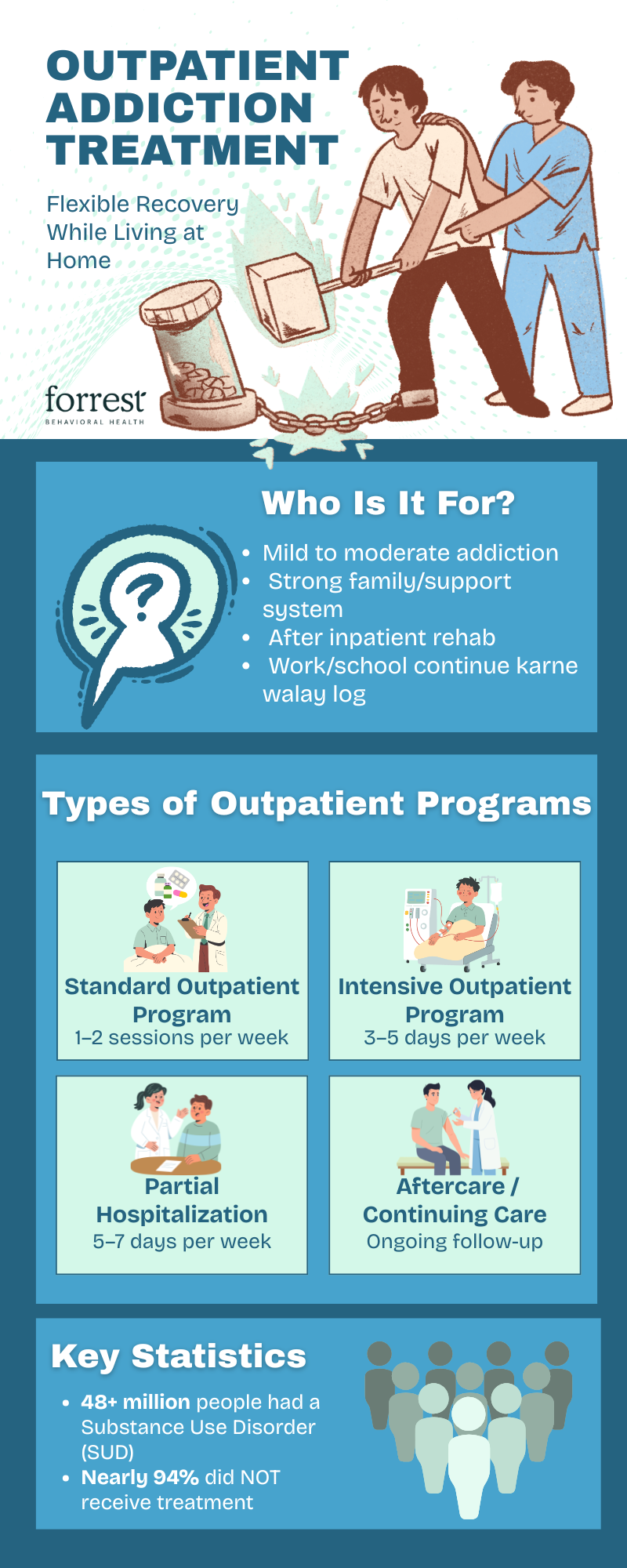
Outpatient programs are designed for first responders who have mild to moderate alcohol or substance use disorders and do not require 24/7 medical supervision. This is one of the specialized responder addiction treatments that provides flexibility.
It allows you to manage your daily responsibilities and attend regular therapy and first responder addiction treatment sessions. This approach provides the support needed for recovery without disturbing their professional or personal lives.
Dual Diagnosis Treatment
Many first responders struggle with addiction along with underlying mental health conditions such as PTSD, anxiety, or depression. These conditions can trigger negative thought patterns and lead to alcohol addiction.
Dual diagnosis treatment addresses both the substance use disorder and the mental health condition through an integrated treatment plan.
Top 3 Strategies To Support Long-Term Recovery
1. Continuing Therapy
Continuing therapy is important for maintaining long-term recovery and emotional stability.
Therapy helps you develop healthier coping strategies and regulate your nervous system with healthy stress responses. It allows you to reconnect with your purpose of helping others while managing your own mental health.
2. Relapse Prevention
When you complete an addiction treatment and are ready to return to your daily routine, it is important to equip yourself with relapse prevention techniques.
These strategies help you build healthy coping skills, manage triggers, and maintain your recovery.
3. Building a Healthier Lifestyle
For maintaining recovery, adding a healthier lifestyle plays an important role in supporting long-term recovery. Your routine must have regular exercise, proper sleep, and balanced nutrition.
To reduce stress, you can do mindfulness practices such as meditation and yoga to continue your recovery journey.
“Even the strongest ones need emotional support.”
Next Step Towards Healing
First responders often face intense emotional challenges because of the demanding nature of their work. Every day, they come across tough situations that require courage and focus. They carry the emotional weight of these experiences that can impact their mental health and contribute to alcohol addiction.
Addiction affects their physical health, relationships, and professional responsibilities. In many cases, substance use is connected to underlying emotional struggles such as trauma, stress, or unresolved experiences from the job.
Specialized first responder addiction treatment that includes therapy, inpatient programs, and relapse prevention strategies. First responders can receive the professional guidance they need to heal and recover. The treatment allows them to work on their trauma and improve their mental health, along with continuing their important work for a more balanced life.
If you know any first responder who is going through mental trauma and hesitates to seek help, then suggest Forrest Behavioral Health to make their life easier.