

Why Staying Sober After Rehab Is Harder Than You Think (And How to Fix It)
When it comes to addiction recovery, many people finish rehab feeling hopeful and determined. Yet, only a handful are able to stay sober after facing triggers on a daily basis.
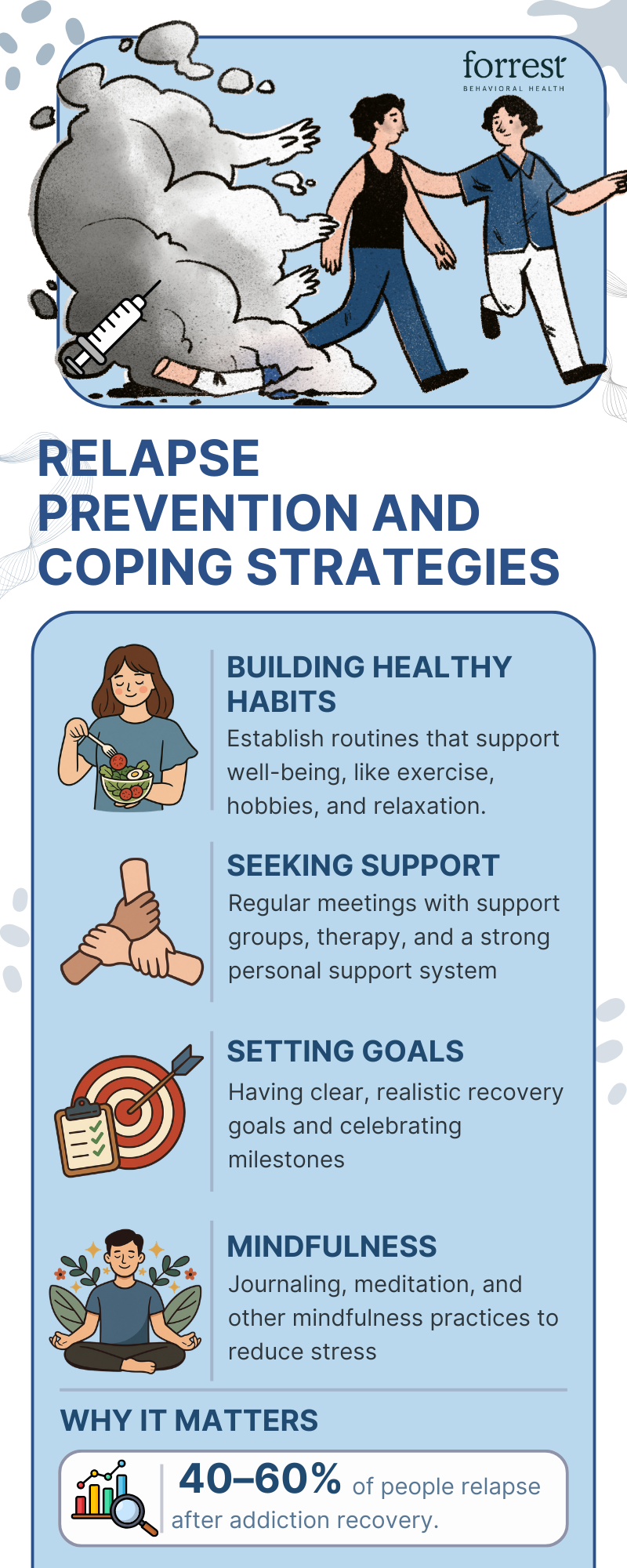
In Illinois, substance use disorder has impacted over 1.3 million individuals who suffer with alcohol use and drug dependence. When a portion of these individuals end up taking treatment, a large number find themselves struggling with cravings or old patterns returning sooner than they expected. Research shows that around 40 – 60% of individuals experience a return to substance use within the first year after leaving treatment.
This relapse doesn’t just occur due to lack of willpower; it occurs due to brain changes and environmental factors. Everyday life brings many triggers that only increase the chance of relapse. A good solution to cope with this situation is a structured relapse prevention program that is designed to identify triggers and build coping skills without judgment.
Today, let’s see how a high-quality relapse prevention program can help you in staying sober after rehab:
How Does a Relapse Prevention Program in Illinois Help Individuals
After individuals complete their addiction rehab, one of the biggest challenges is the risk of relapse. You see, when they transition to daily life, they have to face triggers on a daily basis, which means they come face-to-face with the same factors that caused the substance use disorder or alcohol addiction in the first place. This constant exposure triggers the brain, which massively increases the chances of relapse. In fact, research confirms that 40 – 60% of individuals return to substance use within the first year after treatment.
Reducing the Risk of Early Relapse:
A relapse prevention program flips the script by addressing the root cause. When you are committed to staying sober after rehab, a relapse prevention program helps you by:
- Identifying warning signs and personal triggers early on.
- Teaching effective coping strategies to avoid and manage high-risk situations.
- Creating healthy, structured routines for individuals to reduce vulnerability.
Addressing the Root Causes of Addiction:
In order to prevent relapse, it is crucial to understand that relapse isn’t just a matter of willpower.
This condition is strongly linked to psychological triggers, such as depression, stress, cravings, trauma, and anxiety.
It is often caused due to environmental exposure as well – like seeing certain people or places.
Using Evidence-Based Therapy:
A relapse prevention program aimed at helping you in staying sober after rehab usually uses cognitive behavioral therapy (CBT) and dialectical behavioral therapy (DBT) to:
- help rewire negative thought patterns,
- build stronger emotional regulation skills, and
- strengthen your decision-making under real-world pressure.
Applying Medication-Assisted Treatment (MAT):
For individuals struggling with specific substance use disorders like opioid dependence, MAT can be a valuable tool.
Medications like methadone or buprenorphine can help reduce cravings, stabilize mood, and prevent relapse, providing a foundation for individuals to engage in other aspects of recovery.
Life Skills Training:
A good quality relapse prevention program in Illinois provides training in essential life skills, such as
- time management,
- communication,
- assertiveness,
- budgeting, and
- relapse prevention planning.
These skills empower individuals to navigate everyday challenges, manage their finances, and make healthy choices that support their recovery journey.
Mindfulness and Relaxation Techniques:
Practices like meditation, yoga, and deep breathing exercises can equip individuals with healthy coping mechanisms for managing stress, regulating emotions, and reducing cravings.
Integrating mindfulness and relaxation techniques into daily routines can enhance overall well-being and support emotional resilience in the face of challenges.
Holistic Therapies:
Some facilities offer complementary therapies like acupuncture, massage therapy, or art therapy.
These holistic approaches can address the physical and emotional dimensions of recovery, promoting overall well-being and complementing other treatment modalities.
Staying Sober after Rehab With The Best Relapse Prevention Program in Illinois
Some major mental healthcare facilities, like Forrest Illinois, offer a relapse prevention program in Illinois for individuals who require additional support after addiction detox treatment.
Our relapse prevention program offers you full access to structured therapy with clinical oversight and peer support. When you sign up to Forrest Illinois’ relapse prevention program in Illinois, you can expect:
Dual Diagnosis Specialization:
Because mental health and addiction are so often connected, we treat both at the same time.
Our trauma-informed counseling, individual therapy, group sessions, and family counseling help you address the root causes instead of just the symptoms.
Privacy and Discretion:
At Forrest Illinois, we understand the need for privacy and discretion, especially for working professionals.
You’ll need to attend sessions regularly, which we guarantee will be done in complete confidentiality for the individual seeking care.
Personalized Treatment Plans:
No two addiction stories are the same. We create individualized treatment plans that consider:
- your substance use history,
- any co-occurring mental health conditions,
- your work or family obligations, and
- your personal goals.
Flexible Levels of Care:
We offer a Day Program, Intensive Outpatient Program (IOP), and standard Outpatient Program. You can live at home, keep some of your daily responsibilities, and still get the structure and support you need.
Many clients start with more intensive care and step down as they grow stronger.
Final Words
If you are a recovering individual and are struggling even after having sought complete treatment, it is crucial for you to sign up for a relapse prevention program. The thing people don’t often understand is that despite detox rehab, the chances of relapse after returning to daily life are very high. Day-to-day routines bring a set of stressors that are difficult to manage for many individuals.
At Forrest Illinois, we understand this challenge; which is why our relapse prevention program is designed to offer you support and guidance with care. Understandably, budget constraints are a concern for many; that is why we have partnered our services with all major insurance providers in Illinois.
You can call us today at (312) 449-2491 or visit forrestillinois.com to learn more about our relapse prevention program and to verify your insurance benefits. Remember, recovery is all about consistency, and without a support system, you cannot sustain it. So do not hesitate in reaching out for a fresh start, help, and healing.