

IOP for Depression in Illinois: When Weekly Therapy Isn’t Enough
You go to therapy every Tuesday at 4 p.m. You talk, nod along, and jot down whatever coping trick comes up this time, then you head home, only to find that same tired, heavy fog sitting there, exactly like it never left. If this pattern feels all too real, you aren’t broken, and you aren’t isolated.
For plenty of people living with depression, an hour of therapy each week simply isn’t enough to make everyday life feel different. The rest of the week can still feel long, tiring, and hard to get through. Acknowledging that you require more care is not a setback; sometimes, it’s simply a sign that you need a different kind of help to start feeling better.
An Intensive Outpatient Program (IOP) for depression in Illinois can fill the space between regular weekly therapy and staying in a hospital. Multiple days a week of real therapy, methods that are actually backed by research, and a schedule that bends to fit your life – that’s what IOP gives you. It’s the deep, hands-on care you need to get steady again, and you don’t have to hit pause on your normal life to get it.
We know depression is a real fight, and at Forrest Behavioral Health, we believe having someone genuinely in your corner makes all the difference. Families throughout Illinois count on us during hard mental health times, providing a safe, gentle environment where everyone feels completely welcomed and receives personal therapy designed around their unique life story.
What is an IOP for Depression & How is it Different from Weekly Therapy?
Weekly therapy offers just sixty minutes of care, often leaving you to handle heavy depression on your own for the rest of the week. Through organised treatment, group discussions, and real-world coping skills, local IOPs deliver the consistent help you need.
SAMHSA, the federal agency overseeing this stuff, points out that intensive outpatient care gives you real, hours-long therapy sessions while letting you still live at home and handle everyday life.
What Does an Intensive Outpatient Program Include?
Every provider sets things up a bit differently, depending on your diagnosis, your needs, and your insurance. Here’s what’s usually included:
- Individual counseling.
- Group counseling.
- Mental health assessment and drug administration.
- Cognitive behavioral therapy (CBT) or other methods supported by research.
- Emotional control and coping mechanisms.
- Relapse-prevention steps or a safety plan when you need one.
- Help building daily habits that actually support you.
- Regular check-ins on progress and adjusting the plan.
Intensive outpatient care is seen under Illinois Medicaid regulations as a reliable safety net for anyone who may otherwise wind up in a mental health facility. State guidance calls for group sessions running four hours a day, every weekday, though most clinics still tweak those hours and intake rules to fit what patients actually need.
Because of that solid, reliable arrangement, it is recommended to think about going up to a depression IOP in Illinois if your issues still interfere with your day-to-day activities after obtaining normal therapy.
When Is Weekly Therapy Not Enough for Depression?
Weekly therapy provides a set hour each week to unpack hard feelings, spot personal patterns, and practice new tools. For mild or manageable depression, that level of care works fine. Still, depression can keep getting worse or harder to manage, even when you never miss a session.
Signs That You May Need More Support?
Consider someone who meets with their therapist every Tuesday. They recognize their negative mental loops, yet by Wednesday, they’re glued to bed again. Work starts slipping. They pull away from friends. Even basic stuff, like showering, making a meal, or texting someone back, feels like way too much.
These signs may indicate that an IOP for Depression in Illinois could be worth discussing with a mental health professional.
Some signs that a higher level of support may be appropriate include:
- Depression symptoms worsen or increase.
- Daily tasks, work, or relationships become harder.
- Weekly therapy isn’t enough, or you feel stuck.
- Your meds need closer monitoring.
- You just left inpatient care and still need support.
- You could use more practice with coping skills.
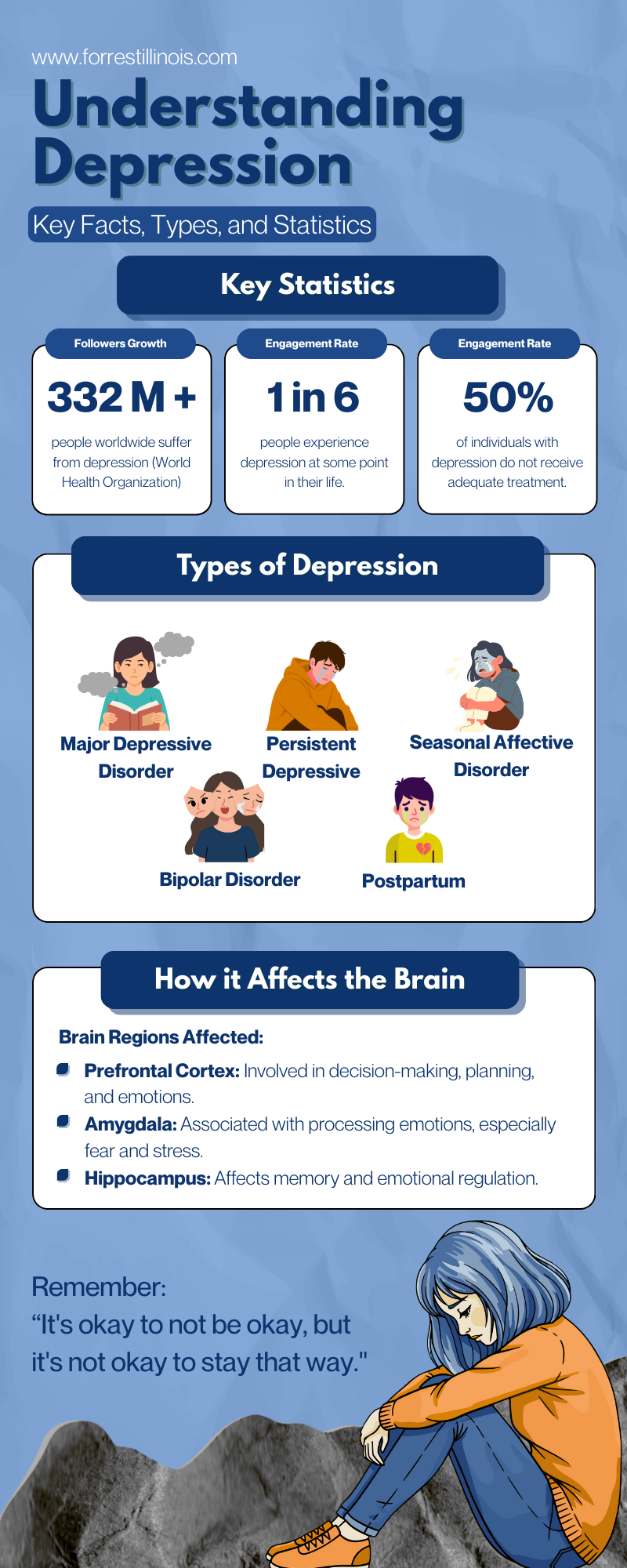
The National Institute of Mental Health notes that depression can interfere with everyday activities such as sleeping, eating, working, and maintaining relationships. Counselling, specific medications, or a combination of both are frequently used in effective, individualised treatment.
How Do You Know When Weekly Therapy May Not Be Enough?
A single checklist cannot tell you if intensive outpatient care is right for you. A mental health professional will evaluate symptoms, safety, daily life, treatment history, and overall needs. If weekly therapy isn’t enough, it might be worthwhile to talk to a certified therapist about an Illinois IOP for depression.
Depression Is Disrupting Daily Life
Perhaps pulling yourself up each morning takes everything you have. Your work has taken a hit. Messages go unanswered, hanging out with friends stops happening, cooking feels like too much, exercise falls away, and daily responsibilities just pile up.
There is more to depression than just sadness. Sleep, hunger, energy, focus, interest in activities, and the capacity to handle daily tasks can all be impacted, according to the National Institute of Mental Health (NIMH).
When things get to that point, a depression IOP in Illinois can give you the extra structure and steady support to actually get a handle on it.
You Feel Stuck in the Same Weekly Cycle
You open up about feeling overwhelmed in therapy sessions. You walk out with a handful of strategies… Yet those exact heavy thoughts, habits, and emotional routines return before your next visit. That isn’t a lack of effort.
Depression occasionally requires more regular opportunities to learn new skills, get feedback, and modify a treatment strategy. NIMH highlights that effective therapy assists patients in identifying unhelpful mindset loops, strengthening coping habits, and building better problem-solving skills.
Final Words!
Weekly therapy can help, but sometimes depression needs more consistent support. If symptoms continue affecting your daily life, an IOP for Depression in Illinois may provide the structure, skills, and support you need while allowing you to stay at home.
You don’t have to keep struggling through the same cycle alone. Talk with a qualified mental health professional to find the level of care that fits your needs.
Ready to take the next step? Reach out to Forrest Behavioral Health today; our team is here to help you find the right level of care for your journey forward.
Read Next: Mental Health IOP in Chicago: An Alternative to Inpatient Treatment