

Evening IOP in Chicago: Mental Health Treatment After Work
Mental health treatment is often presumed to be restrictive and isolating. You may think leaving your job and other important life responsibilities is inevitable if you want to work on it, but that’s not true.
Accommodating mental health programs, like an intensive outpatient model, acknowledge that the average person has to manage multiple things WHILE receiving care. Therefore, these treatments don’t require you to get admitted or spend long hours at a mental health facility. Instead, they’re practical enough to let you manage proper work hours alongside improving your mental health.
Keep learning to understand how evening IOP in Chicago can set you up for long-term mental health recovery.
Balance Both Sides of Life: Evening IOP in Chicago While Also Making a Living
Life bombards us with multiple responsibilities and restrictions from all sides, but your deteriorating mental health doesn’t follow that script. It can go bad and worsen while you’re bound to put in the minimum work hours and hold the house together.
Now, does that mean you push mental health concerns away until you have the time to seek treatment? No, you make that time right now because leaving a problem unaddressed only makes it worse. Luckily, a well-planned evening IOP in Chicago ensures you can balance both crucial things without draining yourself anymore.
Here are the reasons that make evening IOP in Chicago a balanced approach:
Insurance Covers IOP at a Higher Rate
Cost is undoubtedly a big concern you face before starting any treatment, let alone when you’re already mentally struggling and now have to manage this expense as well. Since your insurance structure plays a big role in helping you with the maths, an evening IOP in Chicago will surely have some advantages. Put simply, inpatient mental health treatment sits at the top of the cost ladder because its deductibles and out-of-pocket maximums hit fast once your facility stay begins.
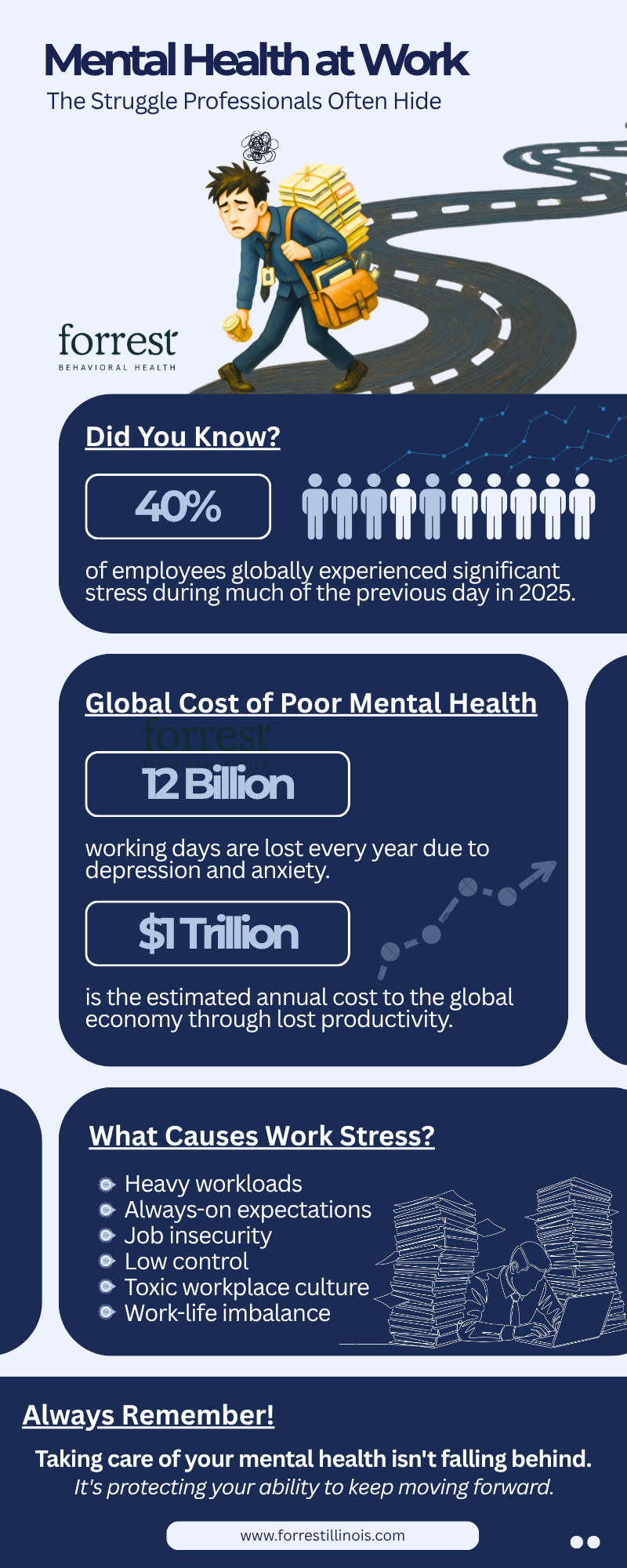
Luckily, IOP is classified differently because it’s a step below inpatient and most insurance plans reimburse it at around 80 percent. Needless to say, this classification alone changes the financial picture, and the person choosing evening IOP in Chicago doesn’t have to gamble on unpredictable medical bills. But since insurance rules and coverage vary widely, check with your provider and ask all important questions before deciding.
FMLA Doesn’t Need to Come Into Play
Taking time off for treatment usually involves formal leave, HR paperwork, and the FMLA (Family and Medical Leave Act) process. Undoubtedly, these requirements make you disclose a medical condition to an employer, and in case of mental health struggles, this fact alone can stop many from seeking help.
Once again, an evening intensive outpatient program wins here. Its sessions run after standard work hours, so your normal 9-to-5 schedule can stay as it is. You don’t take a leave of absence or fill multiple forms just to make sure your job is safe under the FMLA guidelines. Instead, you can simply manage this after work and keep the process private.
Smaller Cohort, More Airtime
Daytime treatment programs tend to work with more patients at once, partly because people with mental health struggles commit all their time to fixing the situation. As a result, starting an inpatient program or partial hospitalization will mean you feel watched and under scrutiny. But an evening IOP in Chicago works differently. Since fewer people can attend after work, evening cohorts run smaller, and you have more breathing space.
A smaller group also means more speaking time and direct feedback from the therapist. Also, relationships with both the therapist and fellow group members build faster in a tighter group. Eventually, the IOP sessions feel less like a crowd and more like individual attention.
Step-Down Structure Reduces Relapse Risk
When someone has already completed inpatient mental health treatment, going from there to the outside world with zero support can bring their problems back. Since the change in care is too sudden, the coping skills built inside a controlled environment don’t help much.
That’s when the gradual, step-down care structure of evening IOP in Chicago can mitigate that abrupt drop-off. It offers ongoing support without requiring inpatient care, and for someone managing symptoms while still working, this middle level of care matches the problem’s intensity.
No Employment Gap on Record
Maintaining a good employment record is important for your career because some gaps can block your way. For example, a 3-month gap on a resume raises questions during interviews, even if the reason was a legitimate medical one. That’s why you turn to evening IOP in Chicago to avoid this and continue working on a normal schedule while treatment happens outside of it.
That continuity also protects future opportunities, i.e., a promotion, because a reference check won’t surface an unexplained absence. So if you’re concerned about how treatment might affect your career, this is your sign to consider evening IOP in Chicago.
Treatment Intensity Without Facility Costs
An intensive outpatient treatment delivers 9 to 12 hours of therapeutic contact per week. When we look at it from a cost perspective, it aligns closely with the group therapy frequency found in inpatient settings, but without the overhead costs.
Since inpatient treatment billing includes housing, meals, and 24-hour staffing, the total cost adds up regardless of how much therapy happens. On the other hand, IOP strips that overhead while keeping the clinical hours intact. Eventually, you experience a program built around actual treatment time rather than facility upkeep.
You Can Do It All
Thanks to practical solutions like an evening IOP in Chicago, you can improve your mental health without giving up on anything. You can have a thriving career and a balanced life while also working on your inner conflicts. So reach out to Forrest Behavioral Health now and set your future self up for success.