
When Teens Need Drug Rehab in Arlington Heights: Signs Parents Shouldn’t Ignore
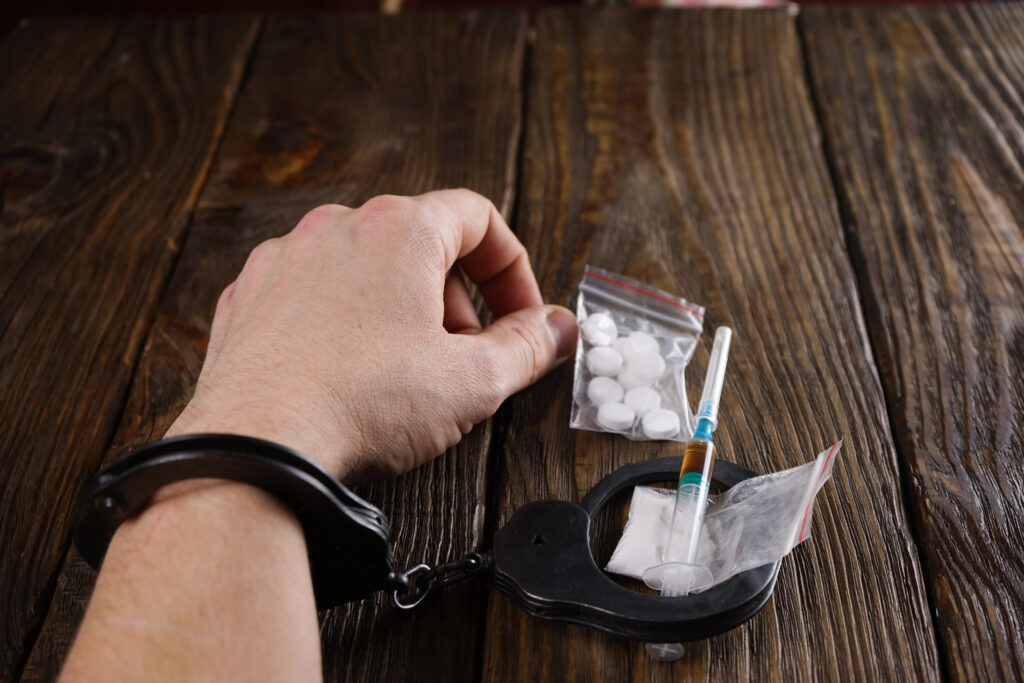
Teens use substances more often than many parents want to believe. National surveys show that roughly 7.3% of students aged 12 to 17 reported using illicit drugs in the past month. What begins as curiosity, peer pressure, or stress relief can quietly turn into something more serious!
For parents looking for drug rehab Arlington Heights, the situation doesn’t just pop up suddenly. Something seems off. Behaviors have changed. Trust feels broken. It can be hard to tell when normal teenage behavior becomes something that needs professional help, especially since teens often try to hide what is really happening.
This guide lists 8 warning signs for parents of teens that you should not ignore. These signs help parents understand when rehab may be appropriate, and how Forrest BH supports teens and families in the Arlington Heights area.
Why Teen Drug Use Is Easy to Miss?
Teenagers are private by nature. Mood swings, withdrawal, and changes in behavior can sometimes look like normal adolescence. That’s why it’s so easy to miss substance use.
Many teens:
- Don’t see drug use as dangerous
- Believe they can stop anytime
- Use substances to cope with stress, anxiety, or pressure.
- Feel shame or fear about telling adults
This is why paying attention to patterns, not isolated moments, matters.
8 Signs Parents Shouldn’t Ignore
Below are 8 common warning signs that may indicate a teen needs more than a conversation or grounding. One sign alone doesn’t always mean drug use, but multiple signs together should raise concern.
1. Sudden Changes in Mood or Personality
If your teenager is unusually irritable, withdrawn, anxious, or emotionally flat, it is not just teenage behavior. It may indicate substance use.
2. Drop in Academic Performance
A decline in grades, missed classes, or no interest in school can also mean substance use, because drugs often interfere with focus, motivation, and memory.
3. New Friend Groups With Secrecy
Teens who are into drugs often become secretive about their whereabouts and who they spend time with.
4. Changes in Sleep or Appetite
Substance use affects sleep patterns and eating habits. Sleeping far more or far less than usual, or sudden weight changes, may indicate a problem.
5. Physical Signs or Health Complaints
Bloodshot eyes, frequent nosebleeds, unexplained injuries, or regular complaints of headaches and stomach issues can be physical signs of substance use.
6. Loss of Interest in Past Activities
When teens distance themselves from sports, hobbies, or family activities they once cared about, it may be because substance use is taking priority.
7. Lying, Defensiveness, or Aggressive Reactions
Being dishonest, reacting strongly to questions, or becoming overly defensive can indicate fear or guilt related to substance use.
8. Missing Items or Money Problems
If money goes missing, valuables disappear, or your teen is constantly asking for cash without explanation, it may be tied to substance use.
When Should Concern Turn Into Action?
Recognizing these signs doesn’t mean you’ve failed as a parent; it means you’re paying attention.
A search for drug rehab Arlington Heights often means that:
- Conversations aren’t working anymore
- Boundaries are being ignored
- Substance use is becoming consistent
- Your teen’s safety or future feels at risk
How Drug Rehab Helps Teens?
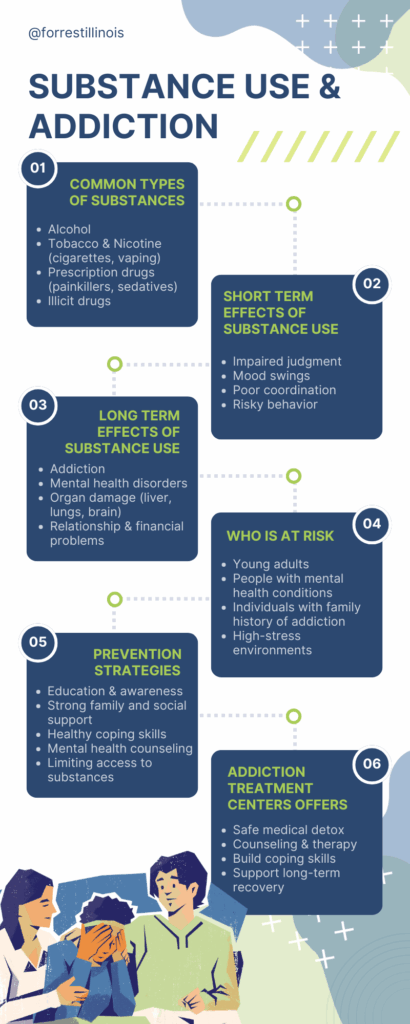
Teen-focused drug rehab is different from adult rehab. Effective addiction treatment programs, like the ones at Forrest BH, recognize that teens are still developing emotionally, socially, and neurologically.
Quality teen rehab focuses on:
- Understanding why substance use started
- Teaching coping and decision-making skills
- Addressing mental health alongside substance use
- Involving families in healthy ways
How Forrest BH Helps Teens in Arlington Heights
For families looking for drug rehab Arlington Heights, Forrest BH provides support focused on helping teens with their specific needs.
It includes:
Teen Substance Use Assessment
Rehab starts with a thorough assessment. This assessment looks at how the teen uses substances, their emotional health, school pressures, and family issues. This information helps our therapists decide on the best level of care from the beginning.
Outpatient Drug Rehab for Teens
Forrest BH offers outpatient rehab for teens. This program allows them to get treatment while they continue their education and live at home. This approach supports recovery without completely disrupting daily life.
Individual Therapy for Teens
One-on-one therapy helps teens identify underlying stress, pressure, anxiety, or trauma connected to substance use. Sessions are supportive, age-appropriate, and non-judgmental.
Group Therapy With Peer Support
Group sessions help teens realize they’re not alone. These groups focus on accountability, communication skills, and healthier ways to cope with pressure and emotions.
Relapse Prevention and Skill-Building
Teens learn practical strategies for managing cravings, handling pressure, and making better decisions in high-risk situations.
Family Involvement and Education
Parents are encouraged to take part in the process. The focus is on rebuilding trust, setting healthy boundaries, and improving communication without blame.
Why Local Drug Rehab Matters for Teens?
Choosing local drug rehab Arlington Heights allows teens to apply what they’re learning in real-life situations while still receiving professional support.
Staying local can:
- Reduce disruption to school
- Encourage consistency in treatment
- Help families stay connected
- Make recovery feel achievable
What Parents Can Do Right Now?
If you notice warning signs, you don’t have to wait for things to get worse. You also don’t need to have all the answers.
What you can do is:
- Ask questions
- Seek professional guidance
- Learn about treatment options
- Start a confidential conversation
Drug Rehab Arlington Heights: Support for Teens
If you are worried about your teen using drugs, Forrest BH offers rehab services for teens and families in Arlington Heights and nearby areas. Care is structured, supportive, and focused on helping teens build healthier paths forward.
Reaching out doesn’t label your teen or define their future; it opens the door to help, clarity, and change.
If you’re ready to talk, contact us. We are here to help you take the next step!