

IOP for PTSD & Trauma in Illinois: When Outpatient Therapy Isn’t Enough
It’s 3 AM, and you’re awake suddenly, covered in sweat, heart pounding like crazy. Your eyes dart around the room, checking corners and shadows because something feels dangerous. You can’t relax because your body still thinks it’s under attack. One weekly therapy session won’t fix that. You’re far from alone here.
Trauma doesn’t heal in a neat little line, no matter how much we wish it did. So many people across Illinois start with weekly therapy, and honestly, that takes real courage, but sometimes it’s just not enough to carry the weight of PTSD. You haven’t failed. You just need more in your corner.
An IOP provides multiple therapy sessions each week, but you still get to go home, go to work, and live your life. That’s what an intensive outpatient program actually looks like. And for a nervous system trying to heal, that kind of structured, steady support often makes all the difference.
At Forrest Behavioral Health, we get it: trauma recovery looks different for everyone, and there’s no single formula that works for all. Our approach centers on personalized, caring mental health support that meets you exactly where you’re at, while helping you build real, practical coping skills so you can move toward lasting recovery.
In this blog, we’ll dig into IOP for PTSD and trauma in Illinois, how it stacks up against regular outpatient therapy, who might need that extra layer of support, and what you can actually expect once you’re in an IOP program.
What Treatments Are Offered in an IOP for PTSD and Trauma in Illinois?
Not all IOPs are built the same, so don’t be afraid to ask hard questions about what a program really offers before you jump in. Therapies that actually work for trauma matter when choosing PTSD treatment. Experts back three main approaches:
- Cognitive Processing Therapy (CPT),
- Prolonged Exposure (PE), and
- Eye Movement Desensitisation and Reprocessing (EMDR).
Each one takes a different angle, but all help your brain reprocess traumatic memories so they stop triggering you the way they do now.
Cognitive Processing Therapy
CPT focuses on how trauma changed your perspective—how you see yourself, others, and the world around you, and how you see the world now.
For example, someone may feel weighed down by guilt after trauma. Therapy helps you examine that guilt, challenge that belief, and helps you get to a clearer, more honest understanding of what actually went down and why.
Prolonged Exposure
PE helps you slowly confront trauma-related memories, emotions, and situations instead of continuing to avoid them. IOP for PTSD and trauma in Illinois can provide more structured support for addressing these symptoms, while avoidance may reduce anxiety temporarily but can maintain PTSD symptoms and make things worse long-term.
EMDR
EMDR is another trauma-focused method used to treat PTSD. It works by processing traumatic memories while using specific types of bilateral stimulation.
Here’s the real point: Don’t choose an IOP simply because ‘trauma therapy’ appears on its website. Ask if the clinicians are actually trained in evidence-based PTSD treatments and whether your treatment plan will be tailored to you.
How Do I Know If I Need More Than Outpatient Therapy?
This is a question many individuals genuinely search for, and it deserves a clear, direct answer. Outpatient therapy isn’t enough when your symptoms are getting worse rather than improving, even after sticking with weekly therapy for months. You may also need more support if you’re turning to alcohol, taking medications that weren’t prescribed for you, or using other substances just to make it through between sessions.
You’re avoiding more and more places, people, or situations, and your world keeps shrinking because of it. Sleep has turned into a nightly battle, insomnia, and waking up soaked in sweat. Some days, you find yourself checking out, losing track of time, or feeling like you’re not even in your own body.
None of these signs indicates failure. They indicate that the dose of treatment requires adjustment, much as a physician would adjust a medication that isn’t reaching therapeutic levels. An IOP for PTSD and trauma in Illinois can provide additional support during this stage when additional support is needed without fully stepping away from daily life.
What Should You Look for in an IOP for PTSD & Trauma in Illinois?
Not every IOP out there is really built with trauma in mind. So before you settle on a program, it’s worth asking a handful of plain, honest questions.
Does the Program Treat PTSD Specifically?
Find a therapist who genuinely gets how trauma works and uses methods proven to help you heal. Top health experts stress that working with someone who truly knows PTSD inside and out makes all the difference in your recovery.
Is There a Personalized Treatment Plan?
Two people can live through the very same traumatic event and come out the other side with completely different symptoms. That’s why treatment has to look at your whole story, your history, what you’re struggling with now, anything else going on, your medications, who’s in your corner, and what you’re actually working toward.
What Happens Outside Group Sessions?
Ask whether the program includes individual therapy, psychiatric care, medication management, crisis planning, family support, and coordination with your current therapist
How Will Progress Be Measured?
Clear goals keep your treatment on track so you never feel like you’re just treading water. You deserve to know exactly what you’re working toward and how you and your care team will track your progress along the way.
When Should You Consider a Higher Level of PTSD & Trauma Care?
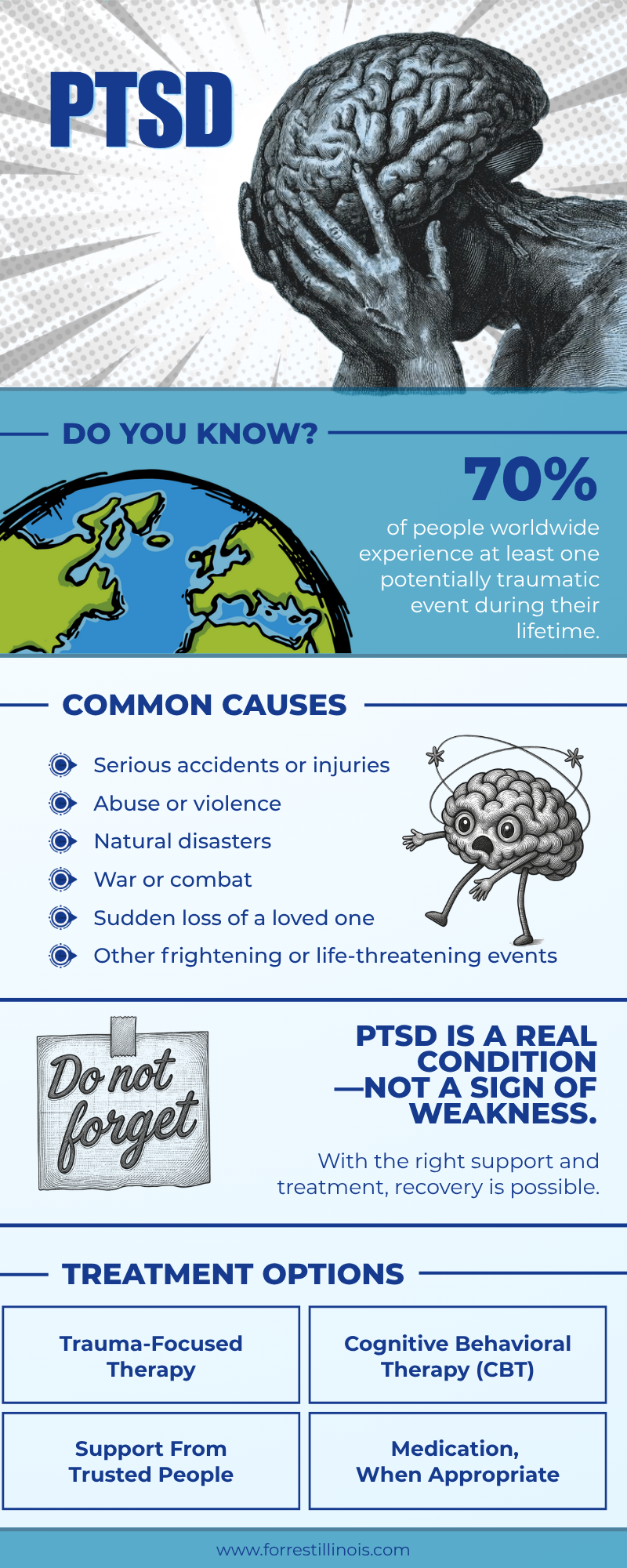
There is no single checklist that determines whether you need an IOP. The decision depends on a professional assessment of your symptoms, needs, and overall situation. But yeah, it’s worth talking about upping your care when:
- Symptoms stay intense even after consistent outpatient therapy.
- Trauma is affecting your work, school, or relationships.
- Avoidance is getting worse and more limiting.
- Sleep problems, nightmares, or feeling constantly on guard persist.
- Anxiety or depression is making daily life difficult.
- There’s substance use or other mental health issues too.
- You need more than one therapy session per week.
- Your current treatment isn’t moving forward.
When outpatient therapy isn’t working, it doesn’t mean you’re heading straight to a hospital. There are different levels of care, and what you need depends on your situation. Your treatment team might adjust your therapy, try a different approach, involve a psychiatrist, increase the frequency of therapy, or recommend a more structured level of support, such as IOP for PTSD and trauma in Illinois.
Final Word!
PTSD can make just getting through the day feel like too much, especially when you’re only seeing a therapist once a week, and it’s not cutting it. An IOP gives you more help and structure without forcing you out of your life. You keep your home, your job, and your regular routines.
At Forrest Behavioral Health, we get what you’ve been through and build care around your specific trauma and what you actually need to heal. Ready for real support?
Reach out to Forrest Behavioral Health today and find out if an IOP for PTSD and trauma in Illinois could be your next step.
Read Next: IOP for Bipolar Disorder in Illinois: What Treatment Looks Like